
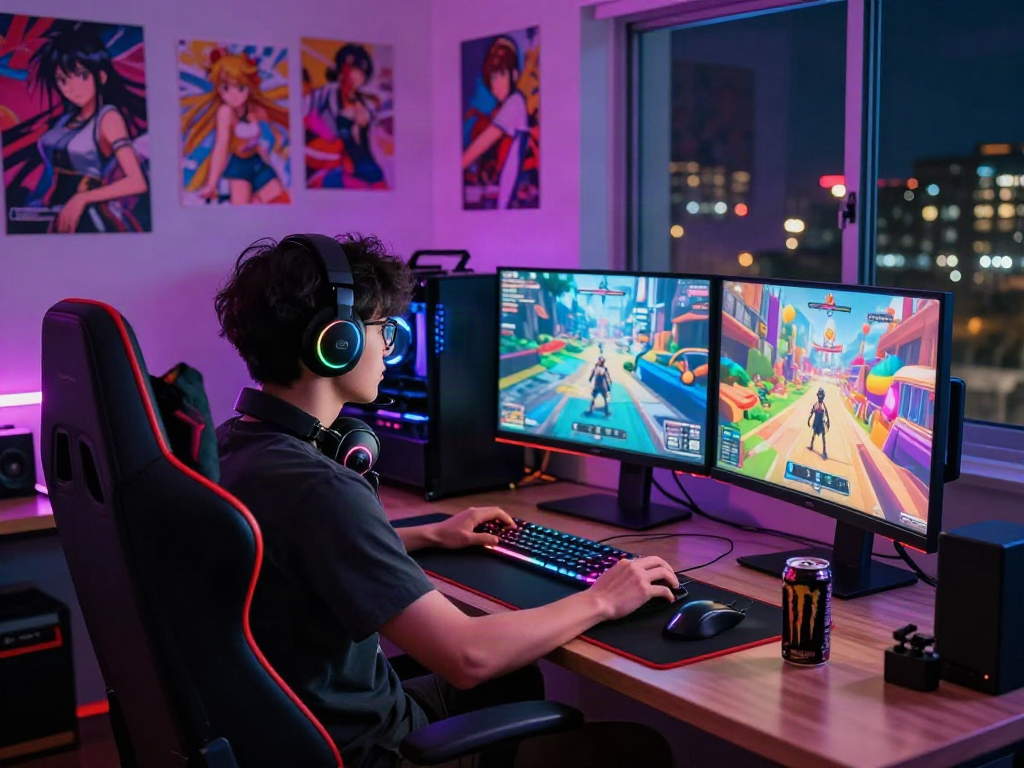
Understanding Hentai Games in 2026
As we delve into 2026, the landscape of gaming continues to evolve, reflecting changes in technology, culture, and audience preferences. Among these trends, hentai games have carved out a unique niche that blends artistry, eroticism, and interactivity. In this article, we will explore what defines hentai game today, the popular trends and themes that are captivating players, and the diverse audience that engages with this genre.
What Defines Hentai Games Today?
Hentai games are digital products that combine gameplay with explicit adult content. While they often feature adult themes and visuals, the essence of hentai games extends beyond mere titillation. These games frequently include complex narratives, character development, and intricate world-building, appealing to players who seek more than surface-level interaction. As of 2026, the industry has expanded to include a variety of styles, from visual novels and dating simulators to immersive role-playing games (RPGs) that incorporate erotic elements.
Popular Trends and Themes in Hentai Gaming
In recent years, several trends have emerged within the hentai gaming community. These trends often reflect broader societal themes and technological advancements:
- Diversity in Representation: Modern hentai games have begun to embrace a wider range of characters, including different ethnic backgrounds, body types, and gender identities. This inclusivity appeals to a broader audience and enhances the relatability of the characters.
- Interactive Storytelling: Many games now integrate player choices that influence story outcomes, allowing for personalized experiences. This focus on narrative depth creates a more engaging gameplay environment.
- Virtual Reality (VR) Integration: With the rise of VR technology, some hentai games have started to offer immersive experiences that transcend traditional gaming mechanics, bringing players closer to the action and characters.
Target Audience: Who Plays Hentai Games?
The audience for hentai games is diverse, spanning various demographics and preferences. Primarily, players are adults, typically aged 18 and above, given the explicit content of these games. However, more detailed analysis reveals that the audience can be segmented based on interests:
- Cultured Gamers: Many players appreciate the artistic and narrative aspects of hentai games, seeking experiences that challenge conventional gaming norms.
- Mainstream Gamers: An increasing number of mainstream gamers are exploring hentai games as a form of escapism and entertainment, often drawn in by quality storytelling and innovative gameplay mechanics.
- Community Enthusiasts: A subset of the audience actively participates in online communities surrounding hentai games, contributing to discussions, fan art, and modding efforts.
Key Mechanics of Hentai Games
Gameplay Elements: What to Expect
Understanding the mechanics of hentai games is essential for players new to the genre. Typically, these games blend traditional gaming elements with adult content:
- Visual Novel Elements: Many hentai games adopt the visual novel format, where players read through text and make choices that influence the story's direction.
- Role-Playing Elements: Some games incorporate RPG mechanics, allowing players to level up characters, gain skills, and navigate through quests that intertwine with erotic content.
- Simulation Features: In dating sims and similar titles, players often engage in relationship building, managing resources, and making choices that affect romantic outcomes.
Integration of Story and Visuals in Hentai Games
The synergy between storytelling and visuals is paramount in hentai games. Game developers are increasingly investing in high-quality art and voice acting to enhance player immersion. Well-crafted narratives offer emotional depth, while stunning visuals captivate players' attention. This combination transforms hentai games into more than just adult content; it creates an engaging experience that resonates with players.
Multiplayer vs. Single Player: Pros and Cons
When considering gameplay formats, hentai games typically fall into two categories: single-player and multiplayer experiences. Each has its pros and cons:
- Single Player: These games allow players to experience narratives at their own pace, focusing on personal choices and character development. However, they may lack communal engagement.
- Multiplayer: Multiplayer hentai games facilitate interaction and competition among players, fostering a community around shared experiences. Nevertheless, they may dilute narrative depth in favor of social elements.
Navigating the Legal Aspects of Hentai Games
Understanding Age Restrictions and Legal Compliance
The legal landscape surrounding hentai games is complex, varying significantly across regions. Developers must be acutely aware of age restrictions and compliance measures to avoid legal troubles. For example, many countries enforce strict age verification processes to ensure that only adults can access adult content.
Intellectual Property Issues in Hentai Games
With creativity at the heart of hentai games, intellectual property rights are crucial. Developers must navigate copyright laws and trademarks to protect their work and avoid infringing on others’ rights. This includes ensuring that character designs, storylines, and artwork do not borrow too heavily from existing properties.
Best Practices for Ethical Game Development
As the hentai gaming industry matures, ethical considerations are paramount. Developers should prioritize consent in storytelling, avoiding scenarios that promote non-consensual acts or negative stereotypes. Furthermore, transparency regarding game content and advertising practices helps foster trust within the gaming community.
Maximizing Engagement and Monetization
Effective Marketing Strategies for Hentai Games
Marketing plays a key role in the success of hentai games. Given the niche audience, targeted strategies are essential:
- Social Media Campaigns: Engaging with communities on platforms like Twitter, Reddit, and Discord helps build anticipation and fosters a loyal fan base.
- Influencer Partnerships: Collaborating with influencers who specialize in adult content or gaming can significantly enhance visibility.
In-Game Purchases: What Works?
Hentai games often incorporate in-game purchases as a monetization strategy. Successful games provide players with meaningful content upgrades that enhance the gaming experience, such as additional storylines, character customization, or exclusive content. Balancing monetization and player satisfaction is crucial to avoid backlash.
Building a Community Around Hentai Gaming
Creating and nurturing a community is vital for the longevity of hentai games. Developers should actively engage with players through forums, host events, and respond to feedback. This interaction not only fosters loyalty but also encourages user-generated content, which can enhance the game's appeal.
Looking Ahead: The Future of Hentai Gaming
Emerging Technologies Impacting Hentai Games
The future of hentai gaming is poised for innovation with the integration of new technologies. Advances in AI, VR, and augmented reality (AR) are set to revolutionize how players interact with games, creating more dynamic and immersive experiences. These technologies will allow for personalized gaming experiences that adapt to individual player choices.
Predictions for Game Design and Player Experience in 2026
As we look ahead, we can expect advances in game design to prioritize user experience. This includes more responsive character interactions, enhanced graphics, and deeper storylines. Additionally, there may be a trend towards inclusivity, ensuring that a broader audience feels represented and engaged in the gaming experience.
How Hentai Games Influence Mainstream Gaming Culture
Hentai games are increasingly influencing mainstream gaming culture, often pushing the boundaries of storytelling and artistic expression. Elements from hentai games, such as bold narratives and character diversity, are being adopted in non-adult games, reflecting a shift in player expectations. As societal norms evolve, so too will the impact of these games on the broader gaming community.