Revolutionary Home Robots: How They’re Transforming Daily Life in 2026
The Rise of Home Robots in 2026
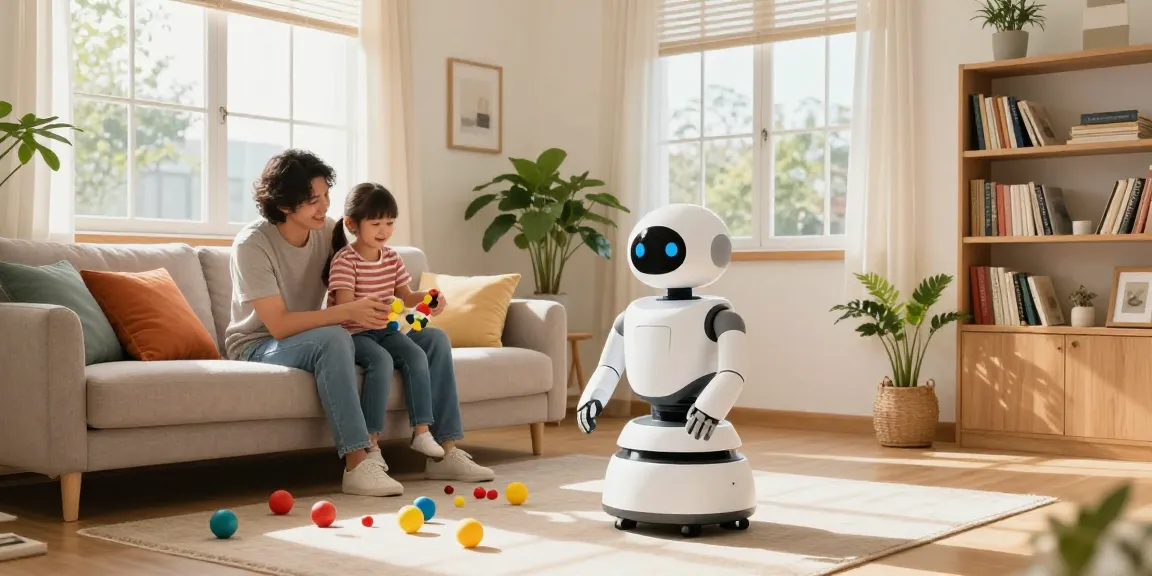
As we look ahead to 2026, the transformative potential of home robots is becoming increasingly apparent. These innovative machines are set to redefine the way we manage our households, offering not just assistance with mundane chores but also companionship and advanced capabilities that go beyond what many might expect. The integration of artificial intelligence and machine learning technologies into these devices allows them to learn from user interactions, adapt to household environments, and perform tasks more efficiently. From vacuuming and dishwashing to providing security features and companionship, the role of home robots is expanding rapidly. When exploring options, home robot technology stands at the forefront of this revolution.
What Defines a Home Robot Today?
Today’s home robots are typically multifunctional devices designed to assist with various household tasks. Key characteristics include:
- Autonomy: Many robots operate independently, navigating through homes and performing their tasks without human intervention.
- Adaptability: Advanced sensors and AI allow robots to adjust to different environments and learn user preferences, making them more effective over time.
- Connectivity: Most home robots connect to the internet and integrate with smart home systems, enabling remote control and monitoring via smartphones or voice commands.
For instance, the latest models can manage cleaning schedules, report on their status, and even receive updates that enhance their functionalities. This evolution reflects a significant shift from traditional household appliances to innovative helpers that can engage with users in meaningful ways.
Key Technologies Driving Home Robotics
The rise of home robots is driven by several key technologies:
- Artificial Intelligence (AI): AI technology enables robots to learn from their environment and user interactions, improving efficiency and task execution.
- Machine Learning: Algorithms allow robots to continuously adapt and refine their performance based on feedback and changing circumstances.
- Natural Language Processing (NLP): NLP systems enable robots to understand and respond to human speech, facilitating smoother interactions.
- Sensor Technology: Advanced sensors help robots detect obstacles, navigate spaces, and assess their surroundings for more accurate task execution.
These technologies combine to create robots that are not only capable of performing a variety of household duties but also interacting with family members in a more intuitive and user-friendly manner.
Market Trends and Consumer Demand
The market for home robots is experiencing unprecedented growth as consumer demand for convenience and efficiency rises. Some notable trends include:
- Increased Adoption: As more households embrace smart technology, the demand for robots capable of performing tasks like cleaning, monitoring, and assistance is on the rise.
- Affordability: With advancements in technology, the cost of home robots has decreased, making them accessible to a broader audience.
- Customization: Consumers are increasingly seeking robots that can be personalized to meet their specific needs, whether for cleaning, security, or companionship.
These trends indicate a growing acceptance of robots as valuable additions to the home, rather than just novelty items. This shift is expected to continue, driven by ongoing technological advancements and evolving consumer expectations.
Benefits of Using a Home Robot
Home robots offer numerous benefits that enhance the quality of life for users. Here are some of the most significant advantages:
Enhancing Household Efficiency
One of the primary benefits of home robots is their ability to enhance household efficiency. By automating routine tasks such as vacuuming, dishwashing, and laundry, robots free up valuable time for family members. This efficiency allows households to focus on more important activities, promoting a better work-life balance.
Providing Companionship and Assistance
In addition to performing tasks, many home robots are designed to provide companionship. For example, robots equipped with conversational AI can engage in dialogue, respond to questions, and even offer emotional support. This feature is particularly beneficial for individuals who may feel isolated or lonely, as it promotes feelings of connection and companionship.
Reducing Physical Strain and Enhancing Safety
Home robots can also help reduce physical strain, particularly for the elderly or those with mobility challenges. By taking over physically demanding tasks, such as lifting heavy items or navigating stairs, robots provide a safer living environment. Furthermore, many robots are designed with safety features that can detect hazards and alert users to potential dangers, enhancing overall home safety.
Challenges and Considerations
Despite the numerous benefits, there are challenges and considerations associated with the adoption of home robots. Understanding these factors can help consumers make informed decisions.
Cost and Accessibility for Average Consumers
While prices for home robots are decreasing, many advanced models still come with a hefty price tag that may be prohibitive for average consumers. It is important to consider budget constraints and evaluate which features truly add value before making a purchase.
Data Privacy and Security Concerns
As home robots become more integrated into our daily lives, concerns about data privacy and security are increasingly prevalent. Many robots collect data on user activities and preferences, raising questions about how this information is stored and used. Consumers must be vigilant about the data policies of manufacturers and ensure that their devices have adequate security measures in place.
Integration with Smart Home Technology
Another consideration is the integration of home robots with existing smart home technology. While many robots are designed to connect seamlessly with smart devices, compatibility issues can arise, potentially hindering the effectiveness of the robot. Consumers should research and ensure that their chosen robot can be easily integrated into their existing systems for optimal performance.
Future Innovations in Home Robotics
The future of home robotics looks bright, with numerous innovations on the horizon that promise to enhance their capabilities further. Here are some potential advancements to look forward to:
AI Developments and Their Impact
As AI technology continues to evolve, home robots will likely become even more intelligent and adaptable. Future robots may possess advanced reasoning capabilities, allowing them to manage more complex tasks and respond to nuanced user instructions.
Potential for Increased Customization
Customization is another trend that is likely to gain traction. Future home robots could allow users to tailor their functionalities and appearance to better fit their homes and lifestyles. This could include adjustable settings for different family members and preferences, enhancing user satisfaction.
Predictions for Home Robotics in 2030
By 2030, we may see home robots that are fully integrated with our smart home systems, capable of anticipating user needs and executing tasks without explicit commands. The evolution of social robots may also lead to widespread acceptance of robotic companions in daily life, fundamentally changing the concept of home assistance.
Frequently Asked Questions About Home Robots
How much does a home robot typically cost?
The cost of home robots varies widely, from basic models priced around $200 to advanced humanoid robots that can exceed $20,000. Consumers should assess their needs and budget before making a decision.
What tasks can home robots perform?
Home robots can perform a variety of tasks, including cleaning, cooking, monitoring security, and providing companionship. The specific capabilities depend on the model and technology used.
Are home robots safe for families with children?
Most home robots are designed with safety in mind, utilizing sensors to detect obstacles and avoid accidents. However, parental supervision is recommended, especially for younger children.
How can I integrate a home robot with my smart home?
Integrating a home robot with smart home technology usually involves connecting the robot to the home network via Wi-Fi and syncing it with existing smart devices through compatible apps.
What are the most popular home robots available now?
Some of the most popular home robots include cleaning robots like the iRobot Roomba, personal assistants like Amazon’s Astro, and companion robots such as the social robots designed by companies like Furbo.